Ledger Login: A Complete Guide to Securely Accessing Your Wallet
Ledger hardware wallets are widely used for securing cryptocurrency. They offer a level of protection that online wallets and exchanges cannot match because private keys are stored offline. Logging into a Ledger wallet, often referred to as Ledger login, is a straightforward but highly secure process that ensures only the wallet owner can access their assets. This guide will explain the login process, using Ledger Live, common issues, and best security practices.
What Is a Ledger Wallet?
A Ledger wallet is a physical device designed to store cryptocurrency private keys offline. Keeping keys offline prevents unauthorized access from hackers or malware. Ledger wallets use a secure chip and cryptographic verification to authorize transactions without exposing your keys.
Ledger offers several popular models:
Ledger Nano S Plus – affordable and ideal for beginners
Ledger Nano X – advanced model with Bluetooth and more storage
Ledger Stax – touchscreen model with enhanced usability
All Ledger devices use the Ledger Live app for logging in and managing cryptocurrencies.
Understanding Ledger Login
Unlike online accounts, Ledger login does not involve usernames or passwords. Instead, it combines hardware verification, PIN entry, and Ledger Live to access your wallet. The private keys never leave the device, which ensures maximum security.
The Ledger login process involves:
Installing Ledger Live on your computer or mobile device
Connecting your Ledger wallet via USB or Bluetooth
Entering your PIN on the hardware device
Accessing accounts and managing cryptocurrency via Ledger Live
Step 1: Download and Install Ledger Live
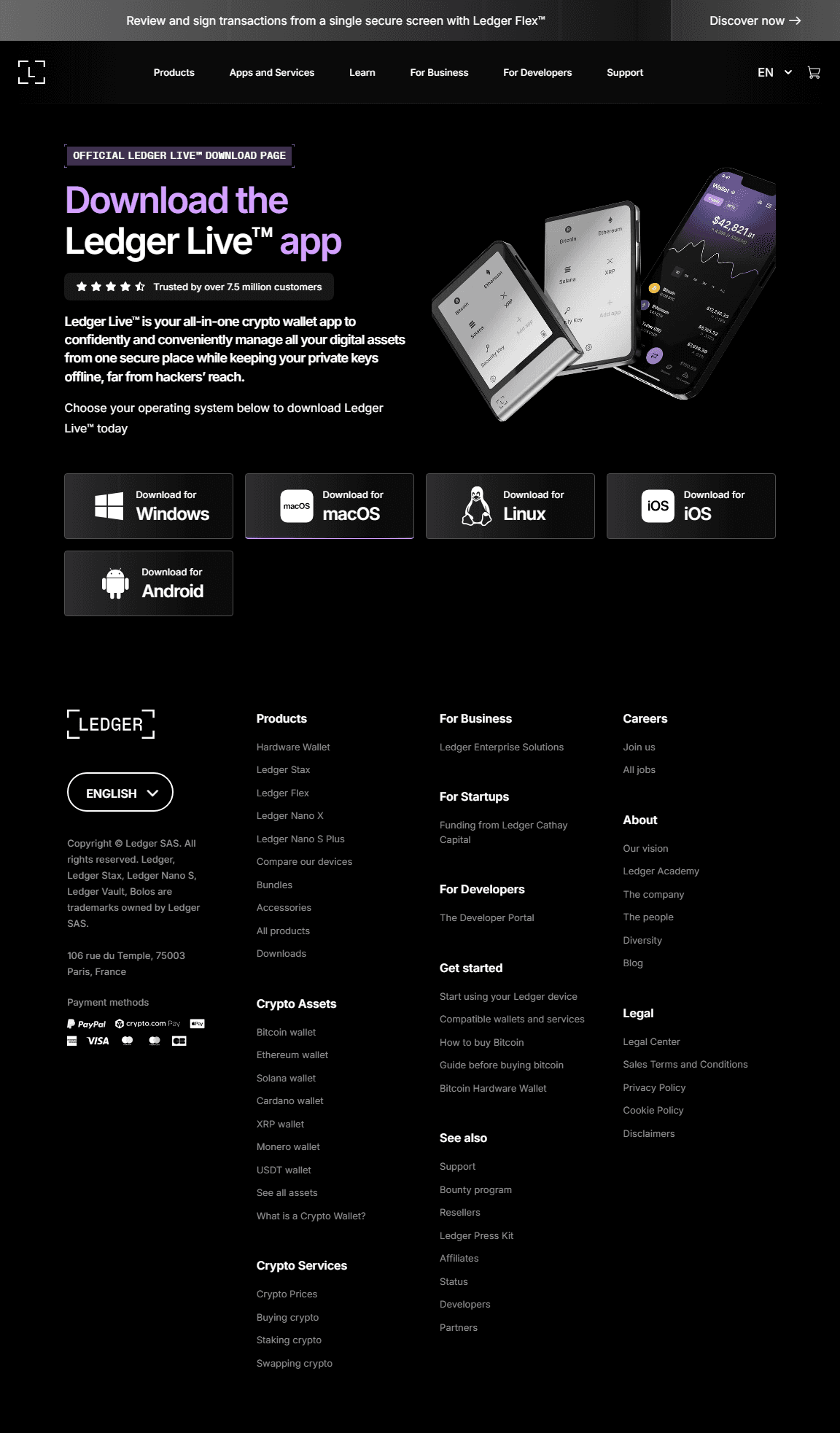
Before logging in, you must install Ledger Live, the official application from Ledger’s website. Avoid unofficial sources, as fake apps can steal private information.
Ledger Live is available on:
Windows
macOS
Linux
Android
iOS
After installation, launch Ledger Live and follow the initial setup instructions.
Step 2: Connect Your Ledger Device
Plug your Ledger device into your computer or mobile device using the provided USB cable. If you use a Ledger Nano X, you may also connect via Bluetooth to a compatible mobile device.
Once connected, Ledger Live will detect the device automatically and guide you through unlocking it. Always ensure the cable is in good condition to prevent connection issues.
Step 3: Enter Your PIN
Your PIN is the primary security feature for Ledger login. During setup, you created a PIN that you must enter on the device each time you log in.
PIN Guidelines:
Keep it secret and private
Avoid simple sequences like 1234 or 0000
Enter it directly on the device, not your computer or mobile
Three incorrect PIN entries will reset the device, requiring your recovery phrase to restore access.
Step 4: Access Ledger Live Dashboard
After successfully entering your PIN, Ledger Live opens your wallet dashboard. Here you can:
View cryptocurrency balances
Send and receive funds
Swap tokens
Manage blockchain apps on the Ledger device
Update firmware
Monitor portfolio performance
Ledger Live acts as a management interface, while all sensitive operations occur on the device itself.
Common Ledger Login Issues
Even experienced users may face problems while logging in. Here are some common issues and solutions:
Device Not Detected
Try a different USB port or cable
Restart Ledger Live
Ensure Ledger Live is updated to the latest version
Incorrect PIN
Verify the correct PIN is entered
Remember that three wrong entries wipe the device; restore with your recovery phrase
Ledger Live Connection Issues
Check internet connection
Temporarily disable firewalls or VPNs
Clear Ledger Live cache or reinstall the app
Bluetooth Connection Issues (Nano X)
Enable Bluetooth on both devices
Stay within close range
Reconnect through Ledger Live
Security Tips for Ledger Login
Maintaining security is critical when using a Ledger wallet. Follow these practices:
Never enter your 24-word recovery phrase in Ledger Live or online
Download Ledger Live only from the official website
Keep your PIN confidential
Confirm transactions directly on the Ledger device
Regularly update device firmware
Store recovery phrases offline in multiple secure locations
Avoid phishing emails or fake support requests
Proper security practices protect your wallet even if your computer or mobile device is compromised.
Benefits of Ledger Login
The Ledger login process combines convenience and high-level security. By using Ledger Live and verifying all actions on the device, you can access and manage multiple cryptocurrencies without exposing your private keys. The process ensures that:
Your crypto is safe from malware and hackers
Transactions are verified on a secure hardware device
You maintain full control over all your assets
Ledger login is not just access—it’s a security-first method for managing digital wealth.
Conclusion
Ledger login allows secure access to your cryptocurrency while keeping private keys offline. By installing Ledger Live, connecting your hardware device, entering your PIN, and verifying transactions directly on the Ledger, you maintain complete control over your assets. Understanding the login process, troubleshooting common issues, and following best security practices ensures that your cryptocurrency remains safe from unauthorized access. Ledger login offers a balance of security, convenience, and control, making it a trusted choice for crypto users worldwide.